
ACCOUNTABILITY · POWER · PUBLIC CONSEQUENCE
The Reckoning Hour:
Government Accountability Radio
A weekly civic reckoning that follows who acted, who benefited, who paid the price, and what justice still requires.
Segment banner song: Turn the Truth Up Louder
What the show is
The Reckoning Hour is a weekly government accountability radio show for people carrying anger, grief, and democratic alarm with nowhere to put them. This is political accountability radio that turns those emotions into understanding, memory, moral clarity, and civic purpose, because none of us should have to face this moment alone.
This is where Barking Justice Radio stops asking politely.
The Reckoning Hour confronts the leaders, institutions, industries, courts, corporations, and media systems that profited from harm, excused cruelty, normalized corruption and abuse of power, or simply looked away. It examines not only what happened, but who made it possible, who benefited, who paid the price, and who is still being protected.
This is not revenge. It is institutional accountability.
A nation cannot heal what it refuses to face. It cannot repair what it keeps protecting. And people cannot act on dangers they have been taught to treat as isolated scandals, unfortunate mistakes, or yesterday’s news.
Every episode follows the chain of responsibility:
Who acted? Who benefited? Who was harmed? Who knew? Who remained silent? Who kept the record? What must be preserved? What does justice now require?
Each weekly episode identifies the pattern running through the political landscape and connects decisions made in powerful rooms to the consequences carried by ordinary people. The program then returns throughout the following week, giving listeners time to hear the evidence, absorb its meaning, and recognize how separate events form a larger system.
Hard-edged protest music, moral testimony, civic affairs radio, and direct narration carry the argument together. The Reckoning Hour names names, follows the chain, and refuses to reduce public harm to another passing mood in the news cycle.
Two anthems anchor every episode: “Turn the Truth Up Louder” and “Follow the Chain.” The remaining music is composed specifically for that week’s story, giving each episode its own emotional language while preserving the show’s central demand: tell the truth, keep the record, and follow responsibility wherever it leads.
Reckoning is not hatred. Reckoning is what truth sounds like when delay has run out of excuses.

Show details
Who it’s for
When it airs
Monday 6 PM · Tuesday 4 PM · Wednesday 10 PM · Thursday 6 PM · Friday 6 PM · Saturday 6 PM · Sunday 6 PM, streaming live.
Format
Coming attraction
Representative anthems
Two tracks return every week to anchor the segment. Everything else in the episode is composed fresh for that week’s news:
All tracks are original productions from Barking Justice Music, produced for Barking Justice Radio.
Merch preview
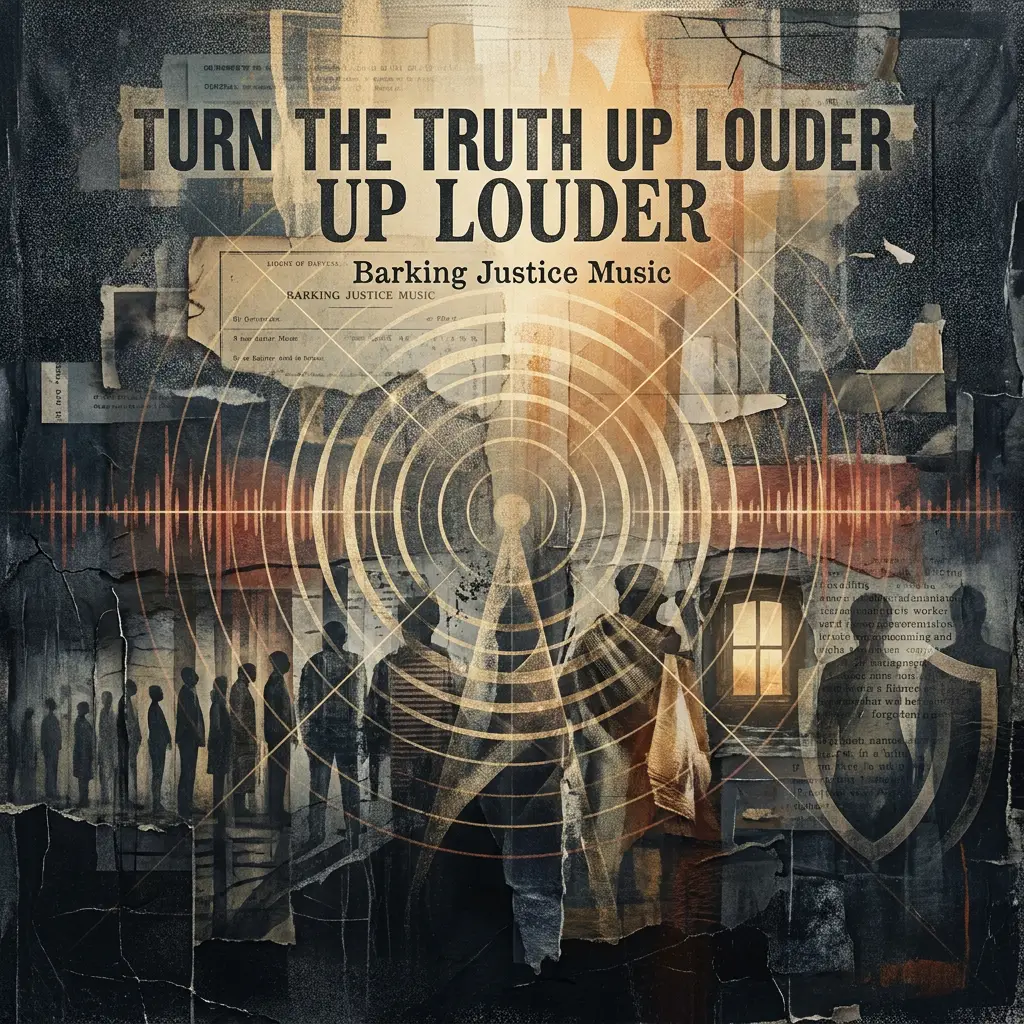
Merch Preview
Turn the truth up louder
Artwork — soon available on our Merch page.
Related excerpt
From the show's own rule
The Reckoning Hour opens every episode with the same standard, laid out before a single story is told: this is not the loudest story in the news cycle, it is the one with the clearest advantage to trace.
“We do not chase the loudest story. We chase the advantage.”
Read the full companion reporting and Daily Intelligence Briefings on power and accountability at The Firing Line.
Frequently asked questions
What is The Reckoning Hour on Barking Justice Radio?
The Reckoning Hour is a 60-minute weekly political accountability radio program examining corruption and abuse of power across government, courts, corporations, industries, and media institutions. Through direct narration, moral testimony, and original protest music, it follows the chain from those who exercised power to the people who paid the price.
This is not revenge. It is accountability, public memory, and a record that cannot be quietly erased.
What does The Reckoning Hour mean by accountability?
Accountability means more than expressing outrage or naming a scandal. It means establishing the record: who acted, who benefited, who was harmed, who knew, who remained silent, and what justice now requires.
The Reckoning Hour treats institutional accountability as a civic obligation. It connects decisions made in powerful rooms to their human consequences and preserves the evidence after the news cycle has moved on.
How is The Reckoning Hour different from Policy Becomes Harm?
Policy Becomes Harm follows one government decision through the full chain from policy choice to human consequence, usually through a focused, in-depth investigation.
The Reckoning Hour moves across the week’s political landscape, identifying the larger pattern connecting multiple events. It is faster-paced, more music-forward, and centered on responsibility, public witness, and the emotional and moral consequences of corruption and abuse of power.
How does The Reckoning Hour handle listener anger and exhaustion?
Millions of people are carrying fear, anger, grief, and democratic alarm without a place to put them. The Reckoning Hour does not dismiss those emotions or keep listeners trapped inside them.
It turns anger into understanding, grief into memory, and alarm into civic purpose. Through evidence, music, testimony, and moral clarity, the program helps listeners recognize what is happening, understand who is responsible, and remember that they are not carrying this moment alone.
What are "Reckoning Notes"?
Reckoning Notes are short spoken segments woven throughout each episode. They preserve essential facts, timelines, decisions, contradictions, and public receipts that might otherwise disappear beneath the next headline.
What music is featured on The Reckoning Hour?
Every episode is anchored by two original Barking Justice Music anthems: “Turn the Truth Up Louder” and “Follow the Chain.”
The remaining songs are composed for that week’s events and accountability themes. This gives each episode its own emotional language while preserving the program’s continuing purpose: follow the chain, keep the record, and turn democratic alarm into informed civic action.